How to Choose an Energy Healer in NYC: What to Look For (and What to Avoid)
ShemaYah Holistic Health Guide
New York City has hundreds of people offering energy healing. Some have spent decades developing their craft. Others took a weekend certification course and printed business cards on Monday.
If you're considering energy work, especially if you're coming to it skeptical, after therapy or medical care has taken you partway but not all the way, the difference between those two practitioners is the difference between a real shift and an expensive hour of ambient music.
This guide is what we tell people to look for. It applies whether you book with us or with anyone else.
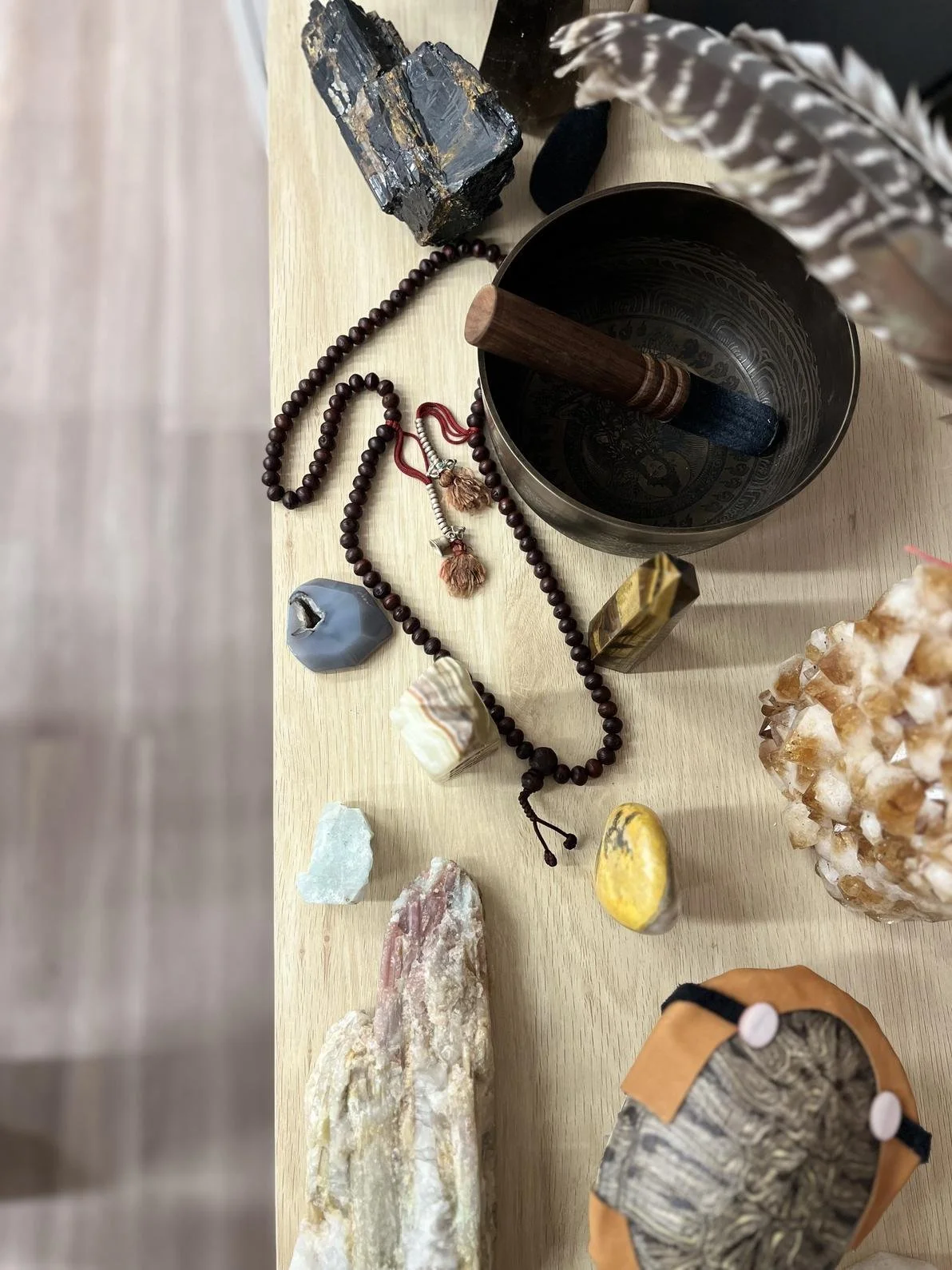
What should I look for in an energy healer?
Four things separate serious practitioners from the rest:
Depth of training and lineage. A Reiki certificate can be earned in a weekend. That doesn't make every certified practitioner shallow, but it means the certificate alone tells you almost nothing. Ask where their knowledge actually comes from: years of study, multiple teachers, a family or cultural lineage, experience across different traditions, and how much time they invest in their own internal work. A practitioner who can tell you who they learned from and over how long is showing you something a framed certificate can't.
A track record you can verify. Reviews are the closest thing this field has to an audit. Look at the count, the rating, and — most importantly — the content. Dozens of reviews describing specific, lasting changes (sleep, anxiety, how someone responds to stress months later) mean something. A handful of vague "great vibes" reviews mean much less. Review counts in the hundreds don't happen by accident in this field.
A clear, explainable method. Ask a practitioner what they actually do in a session and why. A serious answer connects the work to something concrete, the nervous system, stored stress, emotional release, and explains how the pieces fit together. A vague answer ("I channel universal energy for your highest good") tells you the practitioner may not be able to explain their own work.
Honesty about limits. This is the strongest signal on the list. A trustworthy energy healer will tell you plainly: this work does not replace medical care, does not diagnose conditions, and does not cure disease. Practitioners who claim otherwise are the single biggest problem in this field; avoid them regardless of how compelling everything else looks.
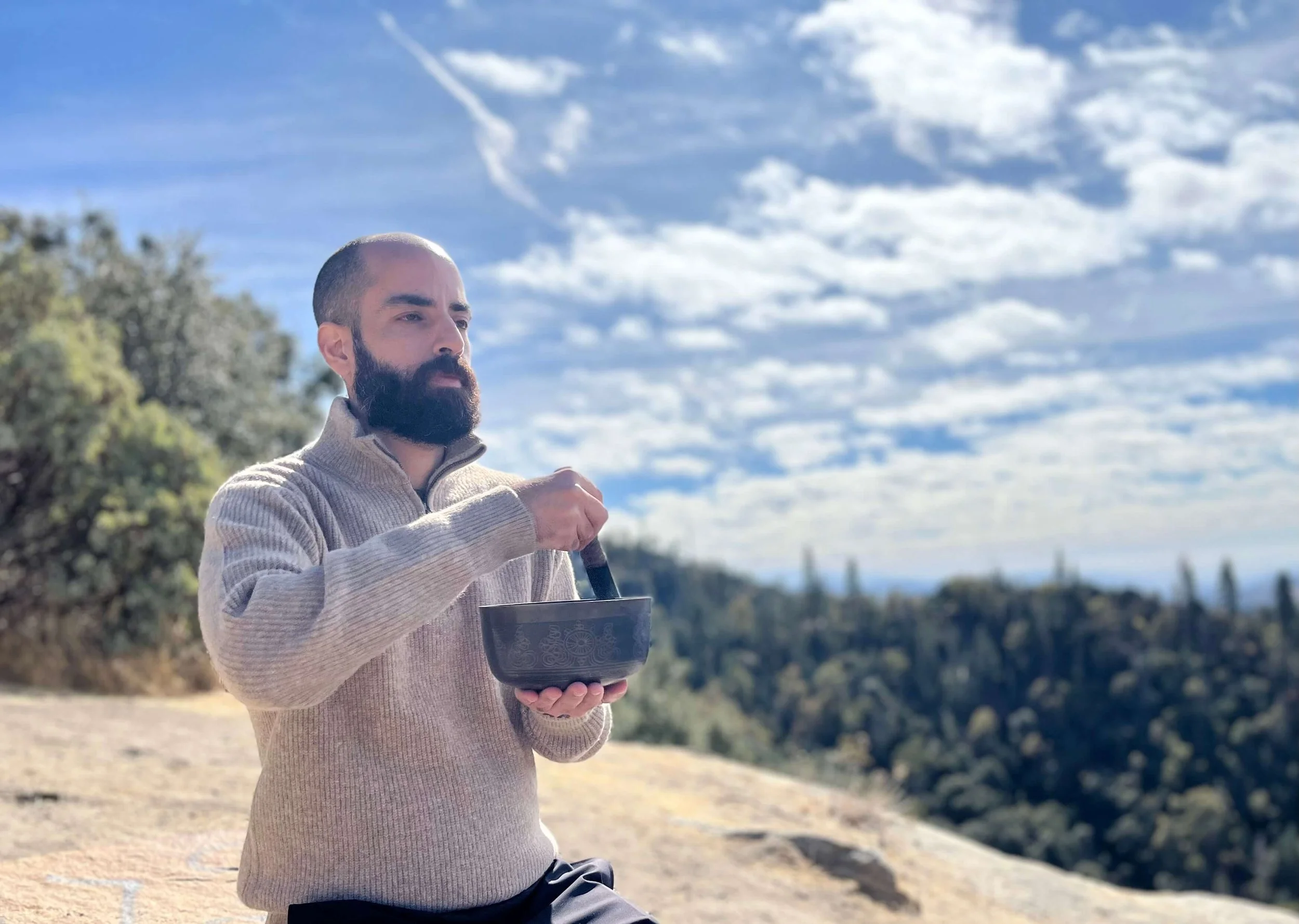

What are the red flags when choosing an energy healer?
Medical claims. Anyone who says energy healing can cure cancer, replace medication, or treat a diagnosed condition is overclaiming. Walk away.
Pressure tactics. Urgency, fear-based language ("your energy is dangerously blocked"), or pushing large packages before you've had a single session.
No verifiable presence. No reviews, no history, no traceable background. In 2026, a practitioner with a real track record has a visible one.
One-size-fits-all sessions. If every client gets the identical protocol regardless of what they're carrying, you're buying a product, not receiving a practice.
Dependence-building. A good practitioner works toward your self-sufficiency. Be cautious of anyone who frames ongoing sessions as something you can't function without.
What questions should I ask before booking a session?
Where did you train, and over how long?
What happens in a typical session, and how do you decide what each client needs?
What results do your clients actually report, and over what timeframe?
How do you work alongside therapy or medical care?
What does this work not do?
The last question is the most revealing. Practitioners with real depth answer it easily. Practitioners selling something struggle with it.
What does a legitimate first session look like?
It starts with a conversation, not a table. A serious practitioner spends real time understanding your emotional and physical state, what you've already tried, and what you're carrying before any hands-on work begins. The session itself should be tailored to what emerged in that conversation. Afterward, you should receive honest guidance about what to expect, including that effects often continue unfolding over hours and days, and that emotional release can be part of the process.
What you should not experience: a rushed intake, a generic script, or a hard sell at the door.

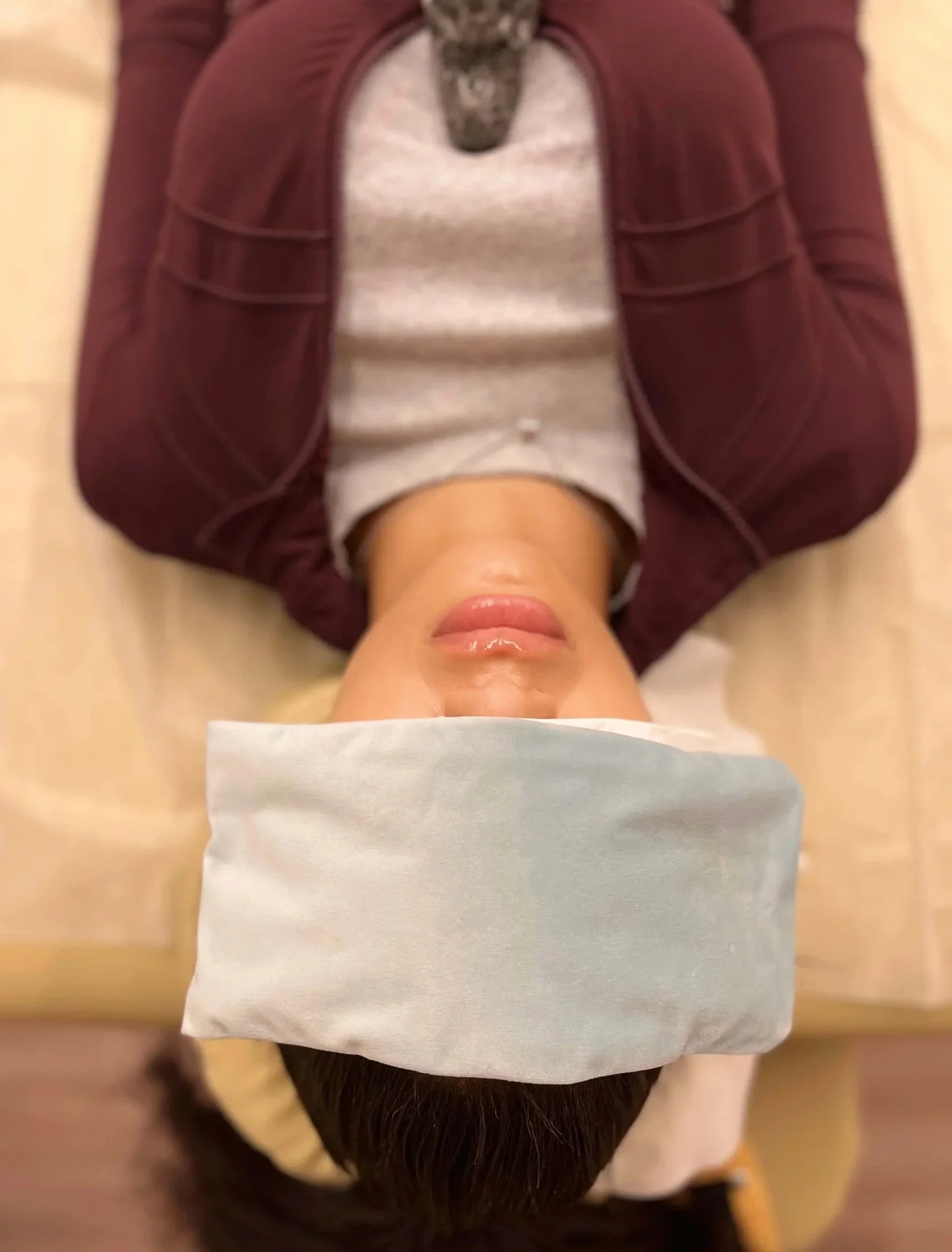
How is Multi-Vibrational Healing different from standard Reiki?
We'll use our own practice as the worked example here, since it illustrates the evaluation criteria above.
ShemaYah Holistic Health was founded by Hezi Badnany, a Reiki Master born in Israel to a Sephardic Jewish family with a healing lineage tracing back to his great-grandmother Esther, a traditional medicine woman in Iraq. After years of studying with Reiki Masters, healers, and shamans around the world, he developed Multi-Vibrational Healing, an integrated method combining Reiki Healing, shamanic methods, sound therapy, crystal healing, and herbal medicine in a single session tailored to each client.
Against the criteria in this guide: the lineage is generational rather than certificate-based; the practice holds more than 250 five-star Google reviews, many describing specific and lasting changes; the method is explainable, it works on the nervous system and the stored, unprocessed stress and emotional trauma that understanding alone doesn't release; and the limits are stated plainly, this work supports emotional release and nervous system balance, and it does not diagnose, treat, or replace medical care.
Reiki Healing is not offered as a standalone service at ShemaYah; it appears only as one element within Multi-Vibrational Healing because, in our experience, the integrated approach is what produces results worth reviewing.
Should I choose an energy healer based on price?
Price alone tells you little in either direction, but be skeptical of both extremes. Deep discounting usually signals a practitioner competing on price because they can't compete on results. At the other end, luxury pricing with spa aesthetics often buys ambiance, not depth. What you're actually paying for is the practitioner's judgment: years of accumulated skill in reading what a specific person needs. Evaluate the practitioner first; then decide if the price matches the depth.
The bottom line
Choose an energy healer the way you'd choose any professional you're trusting with something important: verifiable track record, explainable method, real training, and honesty about limits. New York rewards that kind of scrutiny; the serious practitioners hold up under it, and the rest don't.
If you'd like to experience Multi-Vibrational Healing, sessions at ShemaYah Holistic Health are available by appointment in NoMad, Manhattan. Book a session or explore our other guides to learn more about how this work supports the nervous system, emotional release, and lasting change.
Disclaimer:
The information provided in this guide is for educational purposes only and is not intended as medical advice.
Always consult with a healthcare professional before starting any new health regimen, particularly if you have existing health conditions or are taking medication. The holistic approaches mentioned are complementary and should not replace conventional medical treatments.
